

Energy is at the heart of global headlines in 2025, with a fierce tussle unfolding between major players like Russia, the USA, the EU, and European countries, alongside the ever-influential Middle East. This blog explores how this global energy tussle is playing out, driven by tensions in oil prices middle east conflict, the Russia USA oil pipelines rivalry, and Europe’s push for renewable energy to cut reliance on the region.
We’ll also touch on recent events like Spain’s blackout and how they reflect these shifts, plus the impact on the UK. Whether you’re new to this topic or eager to learn more, let’s dive in.
The Core of the Global Energy Tussle
Energy powers the world, and in 2025, the fight for control is heating up. The Middle East still leads, producing a third of global oil, about 30 million barrels daily and a large share of natural gas, with Qatar’s LNG exports shining. Key routes such as the Strait of Hormuz, which poses energy risks by carrying 20% of the world’s oil, and the Red Sea continue to both play a vital role. However, the Middle East’s dominance in energy is waning, as growing oil production from the USA and Brazil has reduced its share from 50% in the 1970s to 33% by 2023, according to industry figures.Meanwhile, Russia and the USA continue to wrestle for influence over oil and gas pipelines, while the EU and European nations push renewable energy to lessen Middle East and Russian ties.
Brent crude swings between £54 and £63 per barrel, reacting to Middle East tensions, while gas markets hold steady thanks to Europe’s alternatives. This tussle affects fuel costs, trade, and your daily life, thus making it a story worth understanding.
How Middle Eastern Tensions Fuel the Energy Battle
Operation Rising Lion and Oil Market Shifts
In June 2025, Israel’s Operation Rising Lion targeted numerous Iranian sites, resulting in the death of IRGC Chief Hossein Salami. Iran responded with missile strikes on US bases in Qatar, sparking fears that raised oil prices amid concerns over regional supply. A 60-day ceasefire in early July helped steady the market, supported by available reserves, yet the Iran-Israel energy impact continues to shape Middle East oil supply significantly in the present day.
Red Sea Disruptions and Trade Pressures
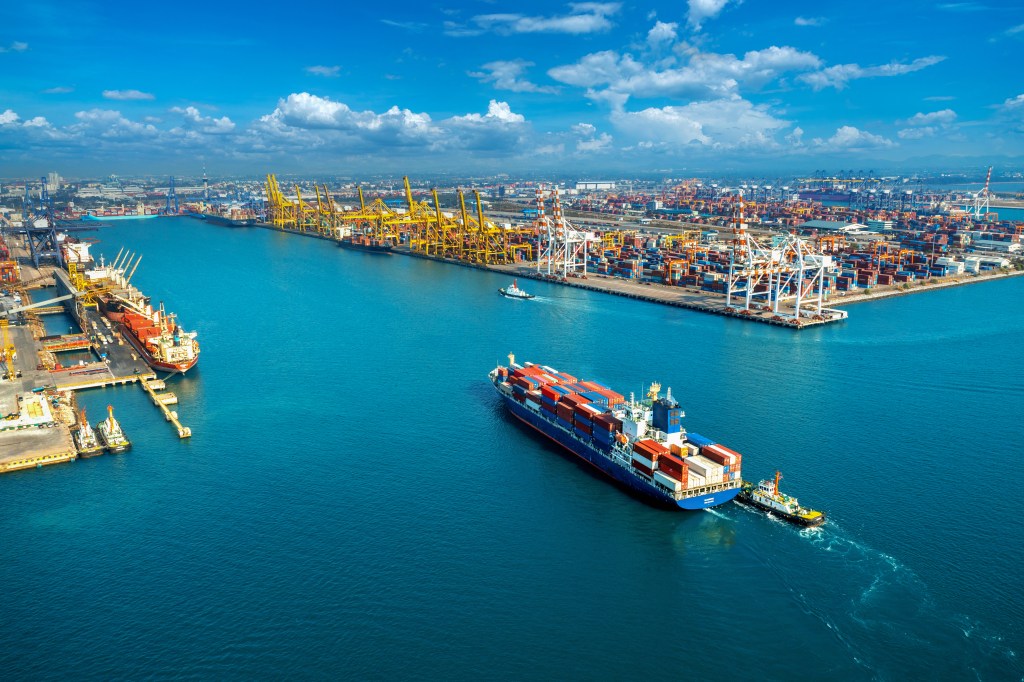
Houthi attacks, backed by Iran, have halved Suez Canal traffic since October 2024, hitting oil and LNG. The Sounion tanker leak of 1 million barrels forced reroutes around the Cape of Good Hope, lifting freight costs by 500%, per shipping reports. US gas to Europe managed to soften the blow, but Red Sea energy disruptions continue to strain Asia and Africa, feeding the global energy tussle.
Ceasefire Hopes and Energy Balance
Ceasefire talks in Gaza and Lebanon offer a pause, with Hamas and Israel eyeing a 60-day truce. Gas fields like Israel’s Tamar and Leviathan (20 billion cubic metres yearly) face Hezbollah risks, but hold steady. A solid ceasefire could keep oil at £53 per barrel, but any break could spike prices, tying Middle East moves to global energy trends. In what is already a dangerous and unstable area, the tensions and uncertainty in the region have been off the charts.
Russia vs. USA: The Pipeline Power Play
The Russia-USA oil pipelines rivalry weaves a vital thread into the global energy tussle. Russia’s grip on European gas weakened after the 2022 Ukraine invasion, with exports dropping sharply by 2023. The Nord Stream shutdown and Ukraine’s January 2025 transit halt slashed Russia’s EU gas supply from previous highs to a fraction of its former volume. Russia has turned to Asia, with the Power of Siberia pipeline sending gas to China, aiming to boost deliveries, though profits struggle due to tough negotiations.
The USA steps in with LNG, rising to become a key gas supplier for Europe in 2024, helping fill the void left by Russia. A G7 oil revenue cap since 2022 aims to limit Russia’s earnings, yet some gas still reaches EU ports through indirect routes. Europe continues to rely on Russia for a significant portion of its gas, despite plans to phase this out by 2027, with some nations holding firm to existing pipelines. Germany’s major deal with Norway strengthens USA’s influence, keeping energy costs elevated across the region.
Europe’s Renewable Energy Push and Its Challenges

European countries are racing to use renewable energy and reduce reliance on Russia and the Middle East, spurred by the 2022 Ukraine war. The EU poured nearly £86 billion into renewable projects in 2023, with wind and solar hitting 30% of electricity in 2024, surpassing fossil fuels, per Ember data. The REPowerEU plan targets 42.5% renewable energy by 2030, nearly doubling the current share, using local wind, sun, and water to cut import needs.
Germany and Spain lead, while Central and Eastern Europe join in, backed by a £15 billion Just Transition Mechanism fund for green jobs and housing. High energy prices since 2022, with gas costs tripling, fuel this shift, but hurdles arise. Renewables’ weather dependence and weak storage strain grids, raising blackout risks. The EU’s £500 billion grid upgrade plan by 2050 lags, with only £70 billion spent in 2024, per Bruegel analysts. This slow progress could leave Europe exposed if Middle East or Russian supplies falter, affecting energy security and costs.
Spain’s Blackout: A Lesson in Transition
Spain’s blackout in late April 2025 offers a stark lesson. The Iberian Peninsula, a renewable energy leader with 56% green power in 2024, faced an 18-hour outage hitting Spain, Portugal, and parts of France. Red Eléctrica pinned it on a sudden solar drop in Extremadura, destabilising the grid. Experts note the lack of inertia—missing from wind and solar unlike coal or gas—made recovery tough, as the system struggled to hold 50Hz frequency.
Hospitals, trains, and homes were hit, with power taking days to restore. Spain’s plan to ditch coal and nuclear by 2035 adds pressure, relying on gas and hydro backups. Critics say the fast renewable shift, without enough grid upgrades or storage, left the system brittle. The EU’s £2 trillion grid goal by 2050, per the European Commission, highlights the need for balance. This blackout warns that avoiding Middle East and Russian oil reliance through renewable energy demands robust infrastructure, or similar disruptions could spread. Will we see other large Western nations like Spain have a repeat of such an event? Time will tell…
How This Affects the UK
The UK feels the weight of this global energy tussle keenly. Since banning Russian oil and gas in 2022, it has turned to US LNG and Norwegian pipelines to fill the gap as North Sea production declines. Disruptions in the Red Sea add strain to trade costs, while rising energy prices have pushed household fuel bills higher this year. The push towards renewables faces setbacks as funds are redirected, and defence upgrades, such as the new F-35s, signal readiness for Middle East uncertainties. This economic pressure mounts if tensions escalate, though the UK relies less on Eastern energy than some European neighbours, leaving it in a fragile yet distinct position.
Wider Energy Trends in the Tussle
The influence of oil as a political tool is losing its edge, with price swings less dramatic than in past decades. Diversified energy sources and strategic reserves help cushion shocks, though risks remain if key routes face closure. Gas supplies face challenges from regional threats, potentially increasing reliance on other fuels, while Europe’s growing focus on renewables offers a counterbalance. However, gaps in infrastructure pose ongoing concerns. Economic effects vary across the region, with some nations seeking stability amid rising costs and shifting alliances.
Looking Ahead in the Energy Tussle
A lasting peace could ease pressures and support recovery, but ongoing conflicts and strategic moves keep the future uncertain. Europe’s move towards renewables holds promise for reducing dependence on troubled regions, yet events like Spain’s recent blackout highlight the need for stronger systems.
The rivalry between Russia and the USA over energy routes will shape Europe’s future, with the UK navigating its partnerships and local strengths. What are your thoughts? Could renewable energy pave a stable path, or will tensions continue to steer the course? Let us know in the comments!
 Tales of Tomorrow
Leave a comment