
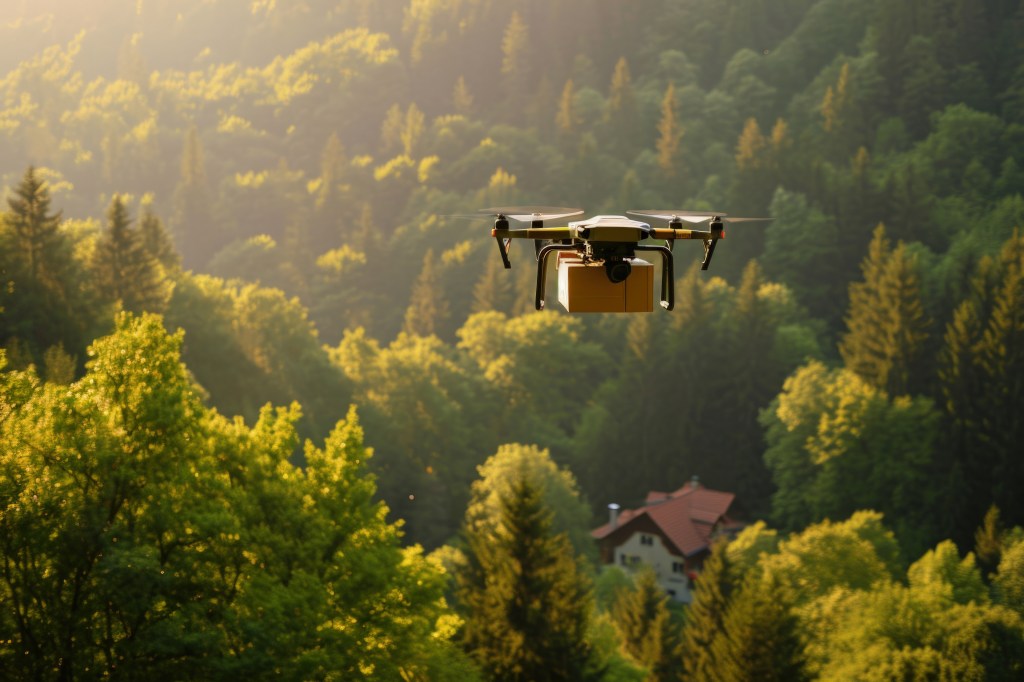
Have you spotted drones whizzing by, dropping parcels or snapping photos of fields? In 2025, drones and the drone economy are weaving into everyday life, bringing convenience and new jobs with their clever tech. From speedy deliveries to military missions, this industry is growing fast, and the future impact of drones might reshape the world over the next decade or two.
Drones are becoming more of just a fun way to capture high-rise footage, let’s draw the curtains back and take a look at what’s going on in the world.
Drones in Everyday Life and Current State of Drone Technology
Drones and the drone economy are already brightening daily routines, becoming a familiar sight across the UK and beyond. In 2024, the global market hit £52 billion, with growth projected to reach £70 billion by 2030, and a notable 28% of this stems from commercial uses like delivering goods, inspecting infrastructure, or mapping land. These flying machines, once confined to military use, have evolved into tools for everyone, thanks to advances in battery life and camera quality that outpace older methods like helicopters or ground teams.
In society, drones are making a real difference. Farmers use them to spray pesticides with precision, checking soil health to boost yields, while delivery trials by companies like Amazon and DHL bring parcels to doorsteps in record time. Photographers capture breathtaking aerial shots for weddings or property sales, and local councils employ drones to monitor road repairs or coastal erosion. Better technology, such as drones that can fly for up to 40 minutes and carry loads of 2-3 kilograms, is turning these machines into everyday helpers. This shift is also sparking jobs, with drone pilots, data analysts, and maintenance crews all in demand, reflecting a growing industry that’s changing how we work.
The impact reaches homes too. Shoppers in rural areas enjoy faster deliveries as drones bypass traffic, while hobbyists fly models for fun, fueling a community of enthusiasts. Schools are even introducing drone clubs to teach coding and engineering, inspiring the next generation. Environmentally, drones cut emissions when they replace vans, with some studies suggesting a 10% reduction in local transport carbon footprints. This blend of practicality and innovation makes drones a part of life, from morning coffee deliveries to evening sky views.
Drones in the Military Industry and Global Drone Market Trends
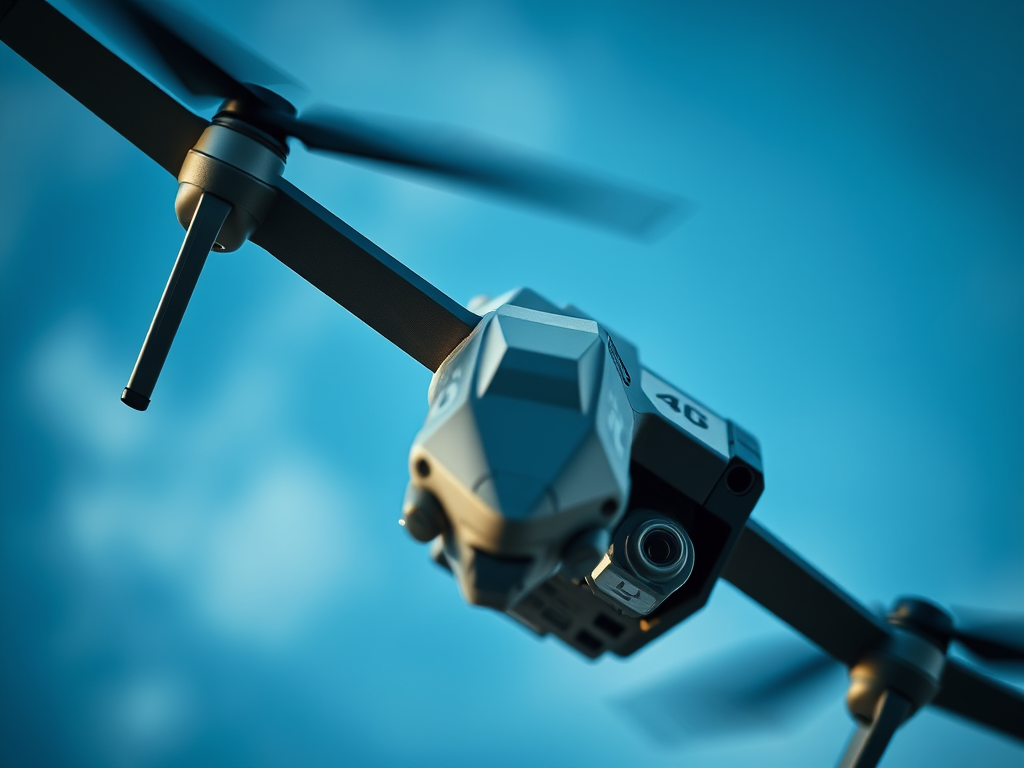
Aircraft has dominated the military world since the Second World War. Long are the days of major powers rushing to enhance their might on the ground, with larger nations opting for less infantry & less tanks, in substitution for enhanced aerial capabilities. The UK & France have roughly just 450 tanks between them both combined, whereas in 1990, the UK had over 1,200 in service, highlighting the recent shift in focus.
Drones have revolutionised the military industry, turning warfare into a domain of precision and strategy. Turkiye’s Bayraktar drones, particularly the TB2, stand out as a game-changer, offering low costs and remarkable effectiveness since their debut in 2016. Deployed in conflicts like Ukraine and Syria, these drones have shifted battle outcomes with accurate strikes, often at a fraction of the cost of traditional aircraft. Turkiye’s Baykar company has seen its revenue skyrocket from £248 million in 2019 to £4.4 billion in 2023, a testament to their impact. The TB2’s ability to loiter for hours and strike with precision has made it a favourite, reducing the need for costly manned missions.
The US leads with companies like AeroVironment, producing drones for surveillance and targeted strikes, often used in operations across the Middle East. Israel’s Elbit Systems brings advanced technology, with drones equipped for night vision and electronic warfare, enhancing battlefield awareness. China’s military is not far behind, testing long-range drones capable of carrying heavier payloads, reflecting global drone market trends toward versatility. These machines minimise risks to soldiers by handling reconnaissance or attacks from afar, with some models able to fly 200 kilometres without refuelling.
(You may find our article on Britain’s new military technology interesting, take a look here).
However, this power comes with challenges. Ethical debates swirl around civilian casualties, with reports suggesting 10-15% of drone strikes in conflict zones affect non-combatants. Nations are pushing for stricter guidelines, and the UN has called for transparency in drone use. The global market, valued at £15 billion for military applications in 2024, is expected to grow as countries invest in defence tech, but balancing effectiveness with humanity remains a key issue.
Future Impact of Drones by 2040
The future impact of drones promises a world transformed by 2040. The market could soar to £250 billion, with drone applications in agriculture expanding as they monitor crops with AI-driven precision, potentially increasing yields by 20%. Delivery systems might evolve into networks of autonomous drones, zipping through cities to drop groceries or medicine in under 20 minutes, a leap from today’s trials. Military drones could lead peacekeeping efforts, using advanced sensors to avoid civilian areas, while commercial uses might include inspecting offshore wind farms, cutting maintenance costs by 30%.
This growth will hinge on technology. Longer-lasting batteries, perhaps doubling flight times to an hour, and smart traffic systems managing millions of flights will be crucial. Autonomous drone technology will dominate, with machines self-navigating through complex environments, from urban skies to rugged terrains. This could create hundreds of thousands of jobs globally, such as drone traffic controllers, software developers, and repair specialists, all playing their part in reshaping economies and skills.
(If you’re interested in what other future jobs that are set to be in demand, then read our article here).
By 2040, drone economy growth might see air taxis ferrying people across cities, reducing road congestion, and drones replanting forests to combat climate change, possibly cutting transport emissions by 15%. Military applications could shift toward disaster response, delivering supplies after earthquakes, while commercial drones might monitor wildlife or support remote education. The key will be addressing privacy concerns, with a large portion of the public worried about over-surveillance and spying.
Challenges and Opportunities in Autonomous Drone Technology
Growth won’t be smooth. Only 30% of countries have clear drone laws, leaving safety and privacy gaps, with 40% of people feeling uneasy about drones overhead. Battery limits, capping flights at 30 minutes and managing millions of drones by 2040 will test autonomous drone technology and legislation. These hurdles could delay progress, but overcoming them might bring a safer, greener world.
The opportunities shine bright. Drones could save £9 billion yearly in the UK by cutting logistics costs, boost crop yields by 20%, and help emergency services reach remote areas 50% faster. New jobs such as mechanics or analysts could thrive, and cleaner air from fewer vans supports climate goals. If tech and rules align, the drone economy could lift lives globally, albeit highly cautiously.
Looking Ahead: Your Thoughts?
Drones are set to redefine our world by 2040, blending everyday convenience with military strength and economic growth. From faster deliveries to life-saving missions, their potential is vast, yet challenges like privacy and airspace need our attention. The UK could shine in this future, leading in green deliveries or innovative tech, while global efforts shape a safer sky.
Do you think drones will transform lives by 2040, or face too many hurdles? Would you like your JustEat or Deliveroo orders to be done via a drone? Or would you miss that in-person thrill of complaining at your extremely late delivery driver?
Let us know in the comments!
 Tales of Tomorrow
Leave a comment