

Have you ever slipped on a headset and found yourself in a different world? In 2025, virtual reality (VR) is opening up incredible experiences, from exciting games to hands-on training, and it’s growing steadily. But where is virtual reality heading in the years to come? This blog aims to take you through where we stand today, the thrilling possibilities ahead, and what it might mean for your life. Let’s go!
Virtual Reality Today and the Current State of VR Technology
Virtual reality isn’t a new buzzword or fad, it’s been around for a while, but its capabilities are now being widely adopted within the public. Schools are now using VR to take pupils on virtual tours of historical sites, while businesses train staff in safety drills without real risks. Gamers dive into fantasy realms or race tracks, and artists create 3D artworks in virtual studios. Leading firms like Meta and Sony are pushing forward, with the Meta Quest 3 selling over 1 million units in its first year. This current state of VR technology is also sparking jobs, with VR developers, content creators, and support teams are in demand, showing how work is evolving in this space.
Virtual reality is already transforming lives, bringing fresh ways to play, learn, and connect. In 2024, the global VR market reached £18 billion, with experts predicting it could climb to £25 billion by 2027, thanks to better headsets and clever software. Around 15% of this growth comes from entertainment, like immersive games and virtual films, while education and training are gaining momentum. These devices, once bulky and expensive, now offer lighter builds, crisp visuals, and hand-tracking that lets you interact without extra tools.
Everyday use is spreading too. Fitness apps bring VR workouts with virtual trainers right to your home, and the NHS is testing VR to help people with anxiety by letting them face fears safely. With faster internet reaching more areas, even rural communities are joining in, making VR a tool for all, not just city centres.
How Virtual Reality Shapes Daily Life
Virtual reality is slipping into our routines, blending fun with practical benefits. Imagine attending a concert from your sofa as if you’re in the front row, or trying on clothes in a virtual shop and placing the order online (No busy store queuing? Sign me up).
In 2024, over 5 million UK households explored VR for entertainment, and retailers like ASOS are trialing virtual fitting rooms to cut down on returns, saving time and effort. It’s more than just fun and games however, remote workers are now starting to use VR for 3D meetings instead of just video calls, keeping teams linked.
VR arcades are springing up with escape rooms or team games, drawing in families and friends. Hobbyists tweak VR experiences, and charities use it to show the impact of donations, like rebuilding homes in virtual disaster zones for example. It’s a mix of usefulness and delight and is helping in making life fuller and more accessible.
Virtual Reality in Work and Learning
Virtual reality is reshaping how we work and learn, offering tools that fit modern needs. Offices might soon become virtual spaces where teams meet in 3D rooms, cutting commute times and costs. In 2024, some UK firms piloted VR meetings, finding a 15% boost in collaboration as people felt more present. This could grow, with AI enhancing virtual workspaces by managing schedules or suggesting ideas, making remote work feel lively.
(If you’re intrigued to learn more about how the current workplace is becoming more intertwined with technology, then our blog on remote working might be of some interest, take a look!
In Healthcare, VR has been in use to help stroke patients regain movement with fun exercises and also help patients relax during vital procedures, while architects let clients wander through building plans before they’re built. This tech saves some serious cash, with some companies reporting 20% less spending on training, as well as reducing travel and decreasing carbon emissions.
Creative fields are thriving as well. Designers build virtual models clients can explore, speeding up feedback, and writers craft stories in VR worlds, inspiring new tales. This shift could create jobs—VR trainers, digital builders—while making education and work more flexible and engaging for all.
Schools are now using VR to bring history lessons to life, letting pupils walk through ancient castles, while colleges offer virtual science labs, reducing the need for expensive equipment. Studies show students retain 25% more with these immersive methods. Training for jobs, like nursing or engineering, benefits from VR simulations, letting learners practice without real-world risks, and saving businesses money on physical setups.
Future Impact of Virtual Reality
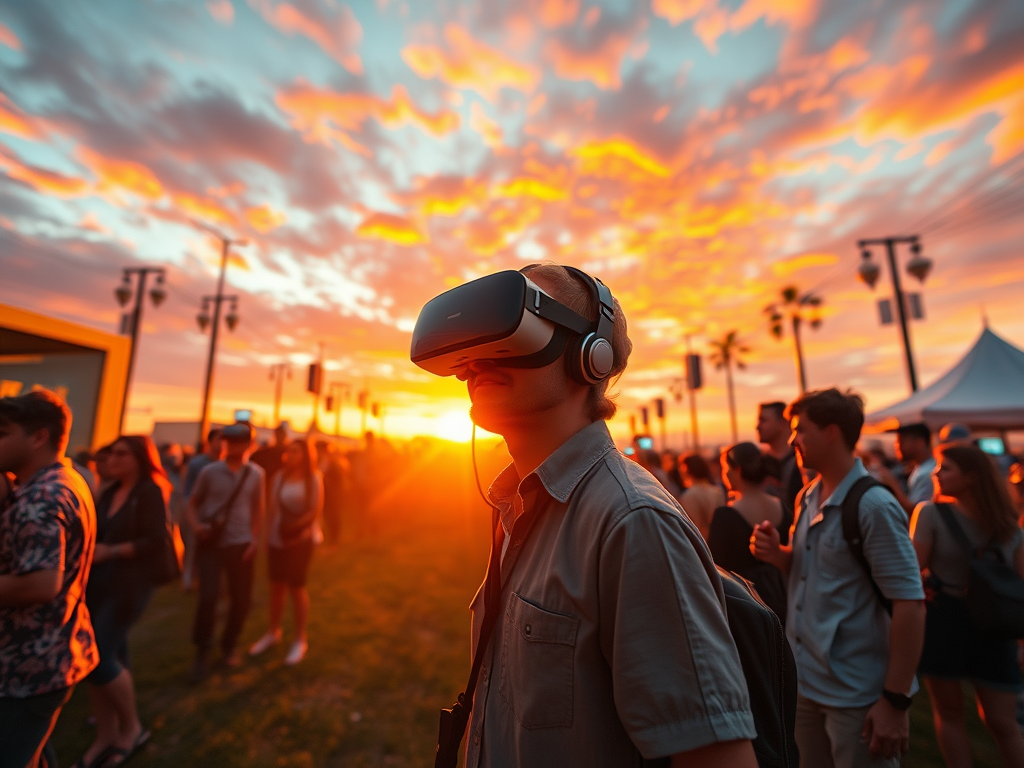
Work could see a revolution. Virtual offices might replace physical desks, boosting productivity as teams collaborate in 3D, per industry predictions. Healthcare could use VR for surgeries guided by AI, letting experts operate remotely, while therapy might treat fears with custom virtual spaces. Socialising could move to virtual hangouts.
By 2040, homes might feature “VR rooms” where walls transform into landscapes, blending reality and fantasy. Military training could use VR to mimic battlefields, saving lives, and retail might let you test products virtually before buying.
Where is virtual reality heading by 2040? The future impact of virtual reality could redefine our lives, with the market possibly reaching £100 billion. The VR economy growth 2040 might be driven by lightweight headsets that feel like glasses, making VR as common as smartphones. Meta’s AR Ray- Ban glasses have already been taking the industry by storm, giving us an insight into where VR is heading.
No longer do you need big bulky headsets to be transported elsewhere, as with technology as a whole, devices are getting smaller and more powerful. AI Contact Lenses anyone? Black Mirror here we come!
Challenges and Opportunities in VR Technology
The path forward has hurdles. Only 25% of UK homes have internet fast enough for top VR, and costs remain a challenge, with headsets starting at £300. Motion sickness affects about 10% of users, needing better designs available. Running virtual worlds for millions will also test server capacity. There are also big challenges around privacy, with 45% of people worried about data tracking. If technology aligns, VR could become a second life, changing how we experience everything.
Yet, the opportunities are bright. VR could save £5 billion yearly in the UK by cutting travel and training costs, per estimates. Education might reach remote areas, boosting skills by 15%, and healthcare could speed up recovery. New roles such as VR designers could thrive and eco-benefits from less travel support greener worldwide goals. If challenges are tackled, VR could enhance life for everyone.
The world has been and is set to continue to increase its virtual capabilities and adoption. And with populations booming, carbon emissions and environmental regulations increasing. The need for virtual looks set to only increase from here onwards.
How do you feel about the move towards a more virtual world? Do you currently use VR? Would you get a pair of VR Contact Lenses in the future?
We’d love your input, let us know in the comments!
 Tales of Tomorrow
Leave a comment