
Since the introduction of the mobile phone in the 1990s, technology in conjunction with the internet has greatly advanced the capabilities of human beings, in a way now that does so much more than just simply ringing somebody.The interconnection of society has never been greater.
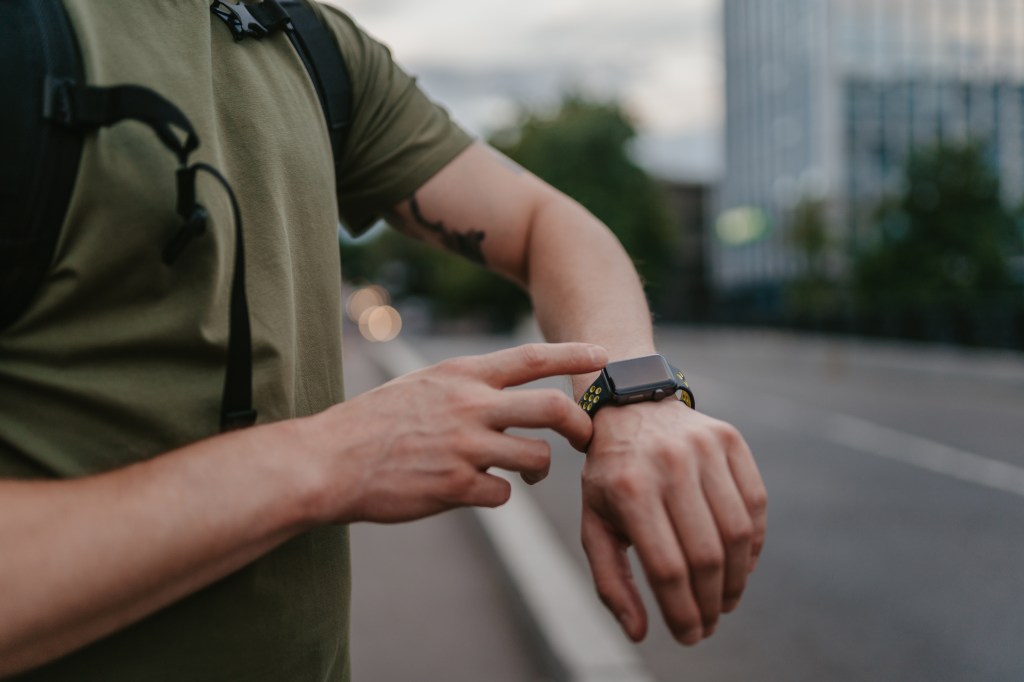
The same case could also be made for wearable tech, a much newer technology that has and is set to continue enabling human beings with capabilities that far exceed that of just simply checking the time. A technology that is somewhat even challenging the influence and dependence of the mobile phone.
This week we’re taking a look at wearable tech for wellness, a growing field where gadgets meet health to improve our lives. We start by setting the scene on how these devices are shaping daily routines today, then explore the key players and gadgets driving the trend. After that, we’ll gaze into the potential future outlook on how it might develop, its impact and what to watch for.
So fasten your fitbits and lets take a look together!
Wearable Tech for Wellness in Everyday Life
Wearable tech for wellness in 2025 is already weaving into our daily lives, offering handy ways to stay on top of health. Brands have for a while now been key in tracking your steps and reminds you to stretch after sitting, or a ring that logs you sleep and encourages ways in which you can improve your rest. These devices have caught on fast, with over 50 million users worldwide in 2024, including 8 million in the UK alone.
This current state of wearable technology is making health more approachable across the globe. From health workers testing wristbands to monitory vital signs in patients, to personal trainers gathering key performance data from their clients to observe and assess their health improvements.
The charm lies in its ease. You wear it, and it quietly works, syncing with apps to offer diet tips or exercise plans. Such as linking to global platforms like Google Fit, users share progress and compete in challenges with friends, adding that key social spark. In China, companies are rolling out workplace wellness programmes with these devices, with reports already of cutting sick days by 10%. The sheer ease in accessibility of wearing these devices is allowing the industry to become ever more widespread.
Key Players and Gadgets in Wearable Tech
Several big names are shaping the current state of wearable technology, each bringing unique strengths to the table. Apple leads with its Watch series, a device that tracks heart rhythms and detects falls, alerting emergency contacts when needed. This gadget has made a difference, with reports of it identifying atrial fibrillation in 2% of users worldwide, prompting early treatment.
Fitbit, now under Google, focuses on fitness with devices such as the Charge 5, which monitors sleep stages and stress levels. Users appreciate how it suggests recovery days after intense workouts, helping avoid overtraining, a trend popular in the USA and Australia. Garmin targets outdoor lovers, offering watches that map hikes and track altitude, a favourite among hikers in Canada and trekkers in South Africa for their rugged design.
Whoop stands out with its strap, measuring strain and recovery to guide athletes, a hit with sports teams in Europe and the USA. Oura’s ring tracks temperature and activity discreetly, appealing to professionals in Japan who value its low-key style. These key players in wearable tech for wellness 2025 push boundaries, such as adding AI to predict health risks or integrating ECG features, making wellness a proactive choice.
Their impact ripples globally. Apple’s Watch has influenced healthcare in the USA, contributing to 100,000 health alerts in 2024. Fitbit’s sleep data aids research in Europe, showing rest impacts mood, while Garmin’s gear reduces risks for adventurers in New Zealand. Whoop optimises training for athletes in Brazil, and Oura helps busy workers in South Korea manage stress. Together, these gadgets turn health tracking into a worldwide movement, touching lives in many meaningful ways.
(Our blog on AI might be of some interest to you! Take a look here)
Wearable Tech in the future
Looking ahead, the future impact of wearable tech could revolutionise how we manage health, with the market potentially hitting £100 billion. The wearable tech evolution by 2050 might bring devices that melt into our clothes or skin, monitoring blood sugar or emotions with ease. Such as a jacket that adjusts to your body heat or a patch that delivers insulin on cue, this could make wellness a seamless part of life.
Workplaces might transform, with wearables tracking focus and suggesting breaks to boost productivity by 25%, a trend we could see in offices across the USA and India. Education might use them to monitor engagement in classrooms, enhancing learning in Australia and Brazil, while sports teams in Germany fine-tune strategies with live data. The future impact of wearable tech also supports ageing populations, with devices detecting falls or reminding users to take medication, easing care in ageing nations such as Japan and Italy.
By 2050, we could see “wellness homes” where devices sync to craft personal health plans, a possibility in smart cities like Singapore. Military training might use wearables to simulate stress, saving lives in conflict zones, and retail could offer virtual try-ons with touch feedback. Key things to watch include battery tech for longer use and AI that learns your habits, though privacy concerns, with 45% of people globally worried about data, an area that will need addressing for sure.
Wearable tech extends far beyond fitness bands, with devices such as virtual reality (VR) glasses stepping into the wellness space. These glasses, like the Meta Quest 3, are being explored for mental health, offering guided meditation in immersive environments that help users relax amid busy schedules. In places like the USA, therapists are trialling VR sessions to treat anxiety, showing promising results with patients feeling calmer after virtual nature walks.
Further ahead, we might see an even wilder leap, inspired by shows such as Black Mirror. Augmented reality contact lenses with wearable tech integrated might not be just purely Sci-Fi. Sitting on your eyes, they could monitor health metrics such as glucose levels or stress signals in real time. These could beam data to your phone or doctor, turning your vision into a health dashboard, as well as a whole host of other capabilities. While still hypothetical, advances in nanotechnology and biocompatible materials in countries like South Korea and the USA suggest this could become reality, blending sci-fi with practical care by the mid 21st century.
(Discover our recent blog on virtual reality for some further information around this topic!)
Challenges and Opportunities in Wearable Tech for Wellness
The road ahead has its hurdles. Only 25% of households in developing nations have internet fast enough for advanced features, and costs can put off users in places like Africa. Motion sickness affects about 10% of people with certain devices, calling for better designs, and privacy fears grow as gadgets track intimate health details. Keeping these systems running for millions will also test battery life and data security worldwide.
Yet, the opportunities shine brightly. Wearable tech for wellness could save £5 billion yearly in the UK and similar amounts in the USA by cutting medical visits, as per recent estimates. Education might reach remote areas, boosting skills and healthcare could speed recovery globally.
Wearable tech trends are thriving globally. Asia leads with 35% of the market, driven by China’s affordable devices, while the USA pushes fitness innovation with companies like Apple. Europe, with Germany’s focus on health tech, explores medical uses, and India develops low-cost options for rural areas.

Looking Ahead: Your thoughts
By 2050, wearable tech might possibly be deeply woven into our routines on a much greater scale than now, shaping our lives through work, health, and play. From personalised learning to creative uses, its potential is vast, though privacy and access need great attention. Its a powerful but dangerous technology, as tech is only getting smaller in size but ever more powerful.
As Uncle Ben once said, with great power, comes great responsibility!
Share in the comments, what is the ceiling for wearable tech? Would you like a pair of augmented reality contact lenses in the future or do they just give you the creeps?
Let us know!
 Tales of Tomorrow
Leave a comment